
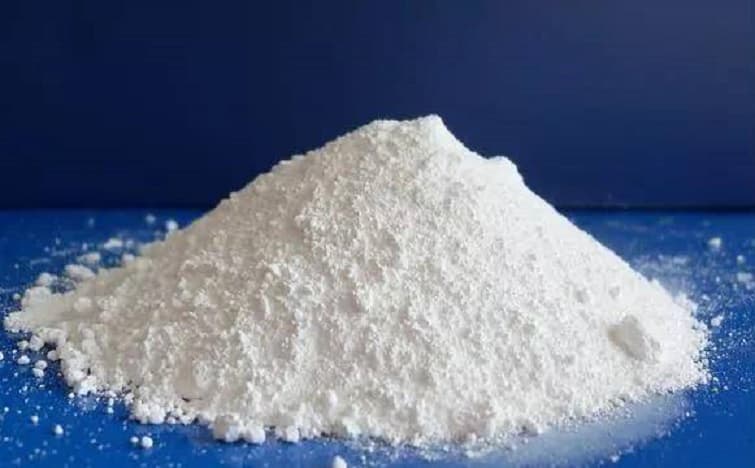
Titanium Dioxide (TiO₂)
Fabricante y Proveedor de Exportación
Titanium Dioxide (TiO₂) manufacturer and exporter in Thailand — rutile and anatase grades for paints, coatings, plastics, paper, and cosmetics. Bulk supply with competitive FOB pricing from Bangkok.
Grados Disponibles
Opciones de Empaque
Descripción del Producto
El Titanium Dioxide es el pigmento blanco más utilizado, ofreciendo una opacidad, blancura y protección UV excepcionales. Se utiliza en pinturas, plásticos, papel y cosméticos, y está disponible en formas cristalinas anatasa y rutilo.
Titanium Dioxide (TiO2) Supplier Thailand — Rutile & Anatase Grade
Dusit Chemicals is a certified titanium dioxide (TiO₂) supplier in Thailand, exporting both rutile (R-type) and anatase (A-type) grades to paint manufacturers, plastics compounders, paper mills, and cosmetics producers in over 40 countries. As a Thailand-based TiO₂ supplier, we offer competitive FOB Bangkok pricing, fast ASEAN transit times, and comprehensive quality documentation including XRD crystal form certification, tinting strength (TCS ≥1,850 for rutile), and oil absorption data on every Certificate of Analysis. Titanium dioxide is the world's most important white inorganic pigment, accounting for approximately 70% of all pigment volume globally. Two crystal forms are commercially available: rutile TiO₂ (refractive index 2.73) delivers superior hiding power, UV durability, and outdoor weathering resistance — making it the standard for architectural exterior paints, automotive coatings, and UV-exposed plastics. Anatase TiO₂ (refractive index 2.55) offers slightly lower cost, brighter blue-white tone, and is preferred for interior paints, paper coating, synthetic fibers, and food-contact applications. Technical specifications: TiO₂ purity ≥98.0% by mass; crystal form verified by XRD (rutile ≥98% or anatase as specified); tinting strength (TCS/Lp) ≥1,850 (rutile), ≥1,700 (anatase); whiteness (Ry 457 nm) ≥96% (rutile), ≥97% (anatase); oil absorption 18–22 g/100g (rutile), 20–25 g/100g (anatase); volatile matter ≤0.5%; water-soluble salts ≤0.5%; pH of aqueous suspension (20%, 25°C) 6.5–8.0; particle size D50 0.20–0.30 μm; specific gravity 3.9–4.2 g/cm³. Our rutile TiO₂ meets JIS K 5116, ISO 591, and ASTM D476 Type IV specifications. Packaging: 25 kg moisture-resistant paper bags with PE inner liner, palletized at 40 bags per pallet (1 MT/pallet). Jumbo bags (500 kg and 1,000 kg) available for large-volume buyers. A standard 20ft container holds 20–22 MT (880 × 25 kg bags). FOB Bangkok pricing: rutile from $2,800/MT, anatase from $2,200/MT depending on grade, surface treatment specification, and order volume. Minimum order quantity (MOQ): 1 MT (40 × 25 kg bags) LCL trial orders or 20–22 MT FCL. Sample kits (1–5 kg) available for formulation testing before full container commitment. ASEAN buyers (Indonesia, Vietnam, Philippines, Malaysia) benefit from 0% import duty on Thailand-origin TiO₂ under AFTA with our Form D Certificate of Origin. SGS or Bureau Veritas third-party inspection available upon request. Contact our export team for current pricing and availability.
Titanium Dioxide Supplier Thailand — Rutile & Anatase TiO₂ for Paint, Plastics & Cosmetics
Dusit Chemicals is a competitive titanium dioxide supplier in Thailand, offering both Rutile (R-type, for paint and outdoor coatings) and Anatase (A-type, for indoor paint, paper and fiber) grades of TiO₂. As a Thailand-based titanium dioxide exporter, we supply paint manufacturers, plastics compounders, paper mills and cosmetics producers across 40+ countries at FOB Bangkok pricing from $2,200/MT. Our titanium dioxide Thailand supply includes full QC documentation — XRD crystal form certification, tinting strength (Lp ≥1,850), oil absorption test data, and REACH-compliant SDS. Buyers searching for a reliable TiO₂ supplier in Southeast Asia choose Dusit Chemicals for competitive pricing, 3–7 day transit to ASEAN markets, and consistent quality from ISO-certified manufacturers.
Rutile vs Anatase Titanium Dioxide: Which Grade for Your Application?
Rutile TiO₂ (R-type) and Anatase TiO₂ (A-type) differ in crystal structure, refractive index, and performance: Rutile has a refractive index of 2.73 vs Anatase's 2.55, delivering 30–40% better hiding power per kg — making it the preferred choice for architectural paints, automotive coatings, and UV-exposed plastics. Anatase is slightly cheaper, produces a brighter blue-white tone, and is used for interior paints, paper coating, synthetic fibers, and food-contact applications (where lower photocatalytic activity is acceptable). For paint formulations: most professional paint manufacturers specify rutile exclusively for outdoor applications and use anatase only for interior or specialty formulations. Dusit Chemicals supplies both rutile TiO₂ from $2,800/MT and anatase from $2,200/MT FOB Bangkok, with full XRD crystal form certification, tinting strength (TCS ≥1,850), and oil absorption test data on every COA.
Titanium Dioxide Technical Specifications for Paint & Coatings Manufacturers
When sourcing titanium dioxide for paint, coatings, or plastics manufacturing, these are the key technical parameters to specify and verify on the Certificate of Analysis (CoA): (1) TiO₂ Content: ≥98.0% by mass — the purity of the titanium dioxide phase; (2) Crystal Form: Rutile (≥98% rutile by XRD) or Anatase — must be verified by X-ray diffraction (XRD), not just supplier declaration; (3) Tinting Strength (TCS or Lp): ≥1,850 for paint-grade rutile — measures hiding power relative to standard; higher TCS means better coverage and lower loading required; (4) Oil Absorption: 18–22 g/100g — determines how much vehicle/binder the pigment absorbs; lower oil absorption generally gives better gloss and flow in solvent-based systems; (5) Whiteness (Ry): ≥96% reflectance — visual brightness; (6) Volatile Matter (at 105°C): ≤0.5% — moisture content affects dispersion and shelf life; (7) Water-Soluble Salts: ≤0.5% — high salts cause flocculation in waterborne systems; (8) pH of Aqueous Suspension (20%, 25°C): 6.5–8.0 — critical for compatibility with binder systems; (9) Particle Size: D50 typically 0.2–0.3 μm (optimal for light scattering at visible wavelengths); (10) Surface Treatment: Alumina (Al₂O₃) and/or silica (SiO₂) coating for photocatalysis suppression and improved compatibility with waterborne systems. Dusit Chemicals provides all of the above parameters on every CoA, with SGS or Bureau Veritas third-party verification available upon request. Our standard rutile TiO₂ meets JIS K 5116, ISO 591, and ASTM D476 Type IV specifications.
Titanium Dioxide Uses Across Industries: Paint, Plastics, Paper, and Cosmetics
Titanium dioxide (TiO₂) is the world's most widely used white pigment with a global market of over 7 million MT per year. Here is a breakdown of its primary industrial applications: (1) Paints & Architectural Coatings (58% of global TiO₂ demand): TiO₂ provides opacity (hiding power), whiteness, and UV protection in interior and exterior paints. Loading rates: 15–25% in standard architectural paints, higher in premium single-coat formulations. Rutile TiO₂ is mandatory for exterior applications — anatase degrades binder resins through photocatalysis. Key paint markets in Southeast Asia and Africa are expanding rapidly, driving demand for competitively priced rutile TiO₂ from Thailand. (2) Plastics & Rubber Compounding (25% of demand): TiO₂ is used at 1–5% loading as a white colorant in PVC, polyolefins, engineering plastics, and masterbatches. Surface-treated grades are required for thermoplastic processing to prevent thermal degradation and ensure stable dispersion at melt temperatures of 200–280°C. (3) Paper & Paperboard Coating (10% of demand): Anatase TiO₂ is used as a paper coating pigment for brightness and opacity. Functional paper grades use TiO₂ at 5–20% in coating formulations. (4) Cosmetics & Sunscreen (3% of demand): Non-nano TiO₂ (particle size 100–300 nm) is used in sunscreen, foundation, and powder cosmetics as a physical UV blocker (broad-spectrum UVA/UVB protection). FDA (USA) and EU approved for sunscreen at up to 25% concentration. Cosmetic grade requires strict heavy metal limits (Pb <2 ppm). (5) Food Additive E171 (decreasing): Used as white colorant in confectionery, sauces, and chewing gum — banned in the EU since 2022 but still permitted in many other markets. (6) Specialty Applications: Photocatalytic coatings for air purification; ceramic and tile glazes; welding rod coatings; paper laminate finishes. Dusit Chemicals supplies titanium dioxide for all of the above applications from Thailand, with grade-specific documentation and formulation support available.
Why Source Titanium Dioxide from Thailand — 5 Advantages for Paint & Plastics Manufacturers
Thailand is an increasingly preferred sourcing hub for titanium dioxide for manufacturers in Southeast Asia, South Asia, the Middle East, and Africa. Five key advantages of sourcing TiO₂ from a Thailand supplier: (1) ASEAN Duty Advantage — Thailand-origin TiO₂ (HS code 3206.11) qualifies for 0% import duty under AFTA for all ASEAN buyers (Indonesia, Vietnam, Philippines, Malaysia, Myanmar). Indian buyers can verify preferential duty under ASEAN-India FTA (AIFTA). 0% ASEAN duty versus 5–10% MFN duty from non-ASEAN sources saves $140–$350/MT at current prices — a substantial landed cost advantage. (2) Fast Transit to ASEAN & South Asia — Laem Chabang port offers direct container services: ASEAN destinations 3–7 days, India/Bangladesh 7–14 days, Middle East 10–15 days. Faster supply chain means lower inventory carrying cost and reduced supply disruption risk. (3) Full XRD Crystal Form Certification — Dusit Chemicals provides XRD (X-ray diffraction) crystal form verification on every batch, confirming rutile or anatase as specified — not just supplier declaration. This is critical for paint quality assurance (rutile content directly impacts hiding power and UV resistance). (4) Comprehensive QC Documentation — Every TiO₂ shipment includes: COA (TiO₂ content, tinting strength, oil absorption, whiteness, particle size, pH, volatile matter), SDS (GHS-compliant, EU REACH-compliant), Certificate of Origin (Form D/E for ASEAN-India FTA), and Declaration of Compliance for food-contact applications. SGS or Bureau Veritas inspection available. (5) Competitive FOB Bangkok Pricing — Rutile TiO₂ from $2,800/MT and anatase from $2,200/MT FOB Bangkok, competitive with Chinese grades but with superior documentation and regulatory compliance for EU, FDA, and REACH-sensitive supply chains.
How to Import Titanium Dioxide from Thailand: Duties, Logistics, and Documentation
Importing titanium dioxide (TiO₂) from Thailand is straightforward for buyers in Southeast Asia, South Asia, the Middle East, and Africa. Here is what buyers need to know: HS Code: Titanium dioxide is classified under HS code 3206.11 (titanium dioxide, ≥80% TiO₂ content) for import classification in most countries. ASEAN buyers: 0% import duty under AFTA (ASEAN Free Trade Area) for Thailand-origin TiO₂ with Form D Certificate of Origin. Indonesia: 0% ASEAN duty; VAT 11% applies. Vietnam: 0% ASEAN; 10% VAT. India: Basic Customs Duty (BCD) under ASEAN-India FTA (AIFTA) — verify current AIFTA rate with your customs broker; standard BCD for non-AIFTA is 7.5%. Pakistan: 5% import duty; verify with customs broker. Nigeria: 5–10% import duty depending on classification. UAE: 5% GCC tariff. Logistics from Thailand: Ocean freight from Laem Chabang port. ASEAN destinations: 3–7 days transit. South Asia (India, Bangladesh, Pakistan): 7–14 days. Middle East (UAE, Saudi Arabia): 10–15 days. East Africa (Kenya, Tanzania): 14–21 days. West Africa (Nigeria, Ghana): 18–25 days. Standard export documentation from Dusit Chemicals: Commercial Invoice, Packing List, Bill of Lading, Certificate of Origin (Form D/E for ASEAN-India FTA), Certificate of Analysis (XRD crystal form, TCS, oil absorption), SDS (GHS-compliant, EU REACH-compliant where applicable), and Declaration of Compliance for food-contact applications. MOQ: 1 MT (LCL) or 20 MT FCL. Payment: TT or LC. Contact our export team for country-specific import guidance and current FOB Bangkok pricing.
Rutile vs Anatase TiO₂ — Full Comparison Table for Paint, Plastic, Cosmetic & Food Manufacturers
Choosing the correct titanium dioxide polymorph is one of the most impactful raw material decisions for paint formulators, plastics compounders, and cosmetics manufacturers. The following comparison covers all commercially relevant technical parameters to help buyers specify the right grade for their application.
| Property | Rutile TiO₂ (R-Type) | Anatase TiO₂ (A-Type) |
|---|---|---|
| Crystal Structure | Tetragonal (closely packed Ti-O bonds) | Tetragonal (looser atomic arrangement) |
| Refractive Index | 2.72–2.73 | 2.55 |
| Specific Gravity | 4.2 g/cm³ | 3.9 g/cm³ |
| TiO₂ Purity | ≥98.0% by mass | ≥98.0% by mass |
| Tinting Strength (TCS/Lp) | ≥1,850 (ISO 787-24) | ≥1,700 (ISO 787-24) |
| Whiteness (Ry, 457 nm) | ≥96% | ≥97% (slight blue undertone — brighter) |
| Oil Absorption | 18–22 g/100g | 20–25 g/100g (slightly higher) |
| Particle Size D50 | 0.20–0.30 μm | 0.20–0.30 μm |
| Photocatalytic Activity | Very low (surface-treated grades near zero) | High (generates free radicals under UV) |
| UV Durability / Chalking Resistance | Excellent (5–10 years exterior life) | Poor (chalking in 1–3 years outdoors) |
| Hiding Power (equal weight) | ~30% higher than anatase | Lower — requires higher loading for same opacity |
| Surface Treatment | Al₂O₃/SiO₂ (paint grades), uncoated (photocatalytic) | Usually uncoated or lightly treated |
| Standard Compliance | JIS K 5116, ISO 591, ASTM D476 Type IV | ISO 591, JIS K 5116 |
| FOB Bangkok Price (2026) | $2,800–$3,500/MT | $2,200–$2,800/MT |
| Best For | Exterior paints, automotive coatings, plastics, sunscreen | Interior paints, paper coating, fibers, food-contact (non-EU) |
| Not Suitable For | Applications requiring high photocatalytic activity | Outdoor/exterior paint, UV-exposed plastics, premium sunscreen |
Titanium Dioxide Applications — Paint, Plastic, Cosmetics & Food Industry Guide
Titanium dioxide's dominance across multiple industries stems from its exceptional combination of properties: refractive index 2.73 (rutile) — the highest of any commercial white pigment; complete non-toxicity at relevant exposure levels; chemical inertness; and UV absorption capacity. Here is a detailed breakdown of TiO₂ applications across the four major industries Dusit Chemicals serves.
| Industry | Application | TiO₂ Grade | Loading Rate | Key Requirement |
|---|---|---|---|---|
| Paint & Coatings | Exterior architectural paint | Rutile R-type, surface-treated | 20–25% by weight | UV durability, chalking resistance |
| Paint & Coatings | Interior emulsion paint | Rutile or anatase | 15–20% by weight | Hiding power, whiteness, low cost |
| Paint & Coatings | Automotive coating | Rutile R-type, high-purity | 20–30% by weight | Gloss, durability, tinting strength |
| Paint & Coatings | Industrial anti-corrosion primer | Rutile R-type | 15–25% by weight | Opacity and barrier performance |
| Plastic & Rubber | White masterbatch (PE/PP) | Rutile R-type, surface-treated | 50–70% TiO₂ in concentrate | Dispersion in melt, thermal stability |
| Plastic & Rubber | PVC pipe whitening | Rutile R-type | 2–5% direct loading | Whiteness, UV stability in pipe |
| Plastic & Rubber | HDPE film (packaging) | Rutile R-type | 1–3% in film | Opacity and light barrier |
| Cosmetics | Physical sunscreen (SPF) | Rutile, non-nano (D50 >100 nm), cosmetic grade | 5–25% in formulation | Broad-spectrum UV-A/UV-B, non-nano FDA/EU compliant |
| Cosmetics | Foundation and tinted moisturizer | Rutile, CI 77891 | 5–15% in formulation | White coverage, skin compatibility |
| Cosmetics | Pressed powder / compact | Rutile, CI 77891 | 10–30% by weight | Hiding power, oil absorption |
| Food (non-EU) | Confectionery white coating (E171) | Food-grade TiO₂ | ≤1% by weight of food | FDA 21 CFR 73.575; EU banned (2022) |
| Industrial | Paper coating (opacity) | Anatase A-type | 5–20% in coating | Brightness, scattering coefficient |
| Industrial | Photocatalytic self-cleaning coating | Uncoated anatase or rutile | 1–5% in coating | High photocatalytic activity (intentional) |
Titanium Dioxide Supplier Thailand — FAQ for Paint & Coatings Manufacturers
Q: What is the difference between "titanium dioxide supplier thailand" grades available for paint? A: For paint manufacturing, specify rutile R-type TiO₂ with TCS ≥1,850, oil absorption 18–22 g/100g, Al₂O₃/SiO₂ surface treatment, and XRD-certified rutile content ≥98%. Dusit Chemicals supplies ISO 591-compliant rutile TiO₂ for architectural, automotive, and industrial paint applications from FOB Bangkok from $2,800/MT. Q: What TiO₂ grade is best for exterior paint in Thailand's tropical climate? A: Surface-treated rutile TiO₂ (R-type with Al₂O₃/SiO₂ coating) is mandatory for exterior tropical paints. Tropical UV intensity causes rapid photocatalytic degradation of anatase TiO₂, leading to chalking and binder erosion within 1–2 seasons. Our ISO 591-certified rutile R-type suppresses photocatalysis and is tested for tropical weathering performance. Q: Can I get TiO₂ samples before placing a container order? A: Yes — Dusit Chemicals provides 1–5 kg sample kits (25 kg bags available for larger evaluation batches) via international courier for formulation testing. After validating tinting strength, dispersibility, and hiding power in your specific formulation, you can progress to a 1 MT LCL trial order and then to full 20ft FCL. Q: Is your titanium dioxide REACH compliant for EU export? A: Yes. Our TiO₂ supply chain is REACH-registered and we provide a GHS/CLP-compliant SDS that includes the CLP Category 2 inhalation carcinogen classification (H351, for TiO₂ in powder form with ≥1% particles <10μm — required from October 2021). SVHC-free declaration and full REACH compliance letter provided on request. Q: What is the TiO₂ rutile grade price per kg from Thailand? A: Rutile TiO₂ R-type FOB Bangkok: $2.80–$3.50/kg ($2,800–$3,500/MT). Anatase A-type: $2.20–$2.80/kg ($2,200–$2,800/MT). Full container loads (20–22 MT per 20ft) qualify for the lowest per-MT pricing. Contact us for a current proforma invoice.
Titanium Dioxide Price 2026 — Complete Breakdown by Grade, Packaging & Market
Titanium dioxide prices in 2026 reflect global production dynamics from Chinese manufacturers (Lomon Billions, CNNC Hua Yuan), European producers (Chemours, Venator, Kronos), and ASEAN supply chains. Below is a detailed pricing guide for buyers evaluating Thailand-origin TiO₂.
| Grade & Packaging | FOB Bangkok 2026 | Container Config | Key Market |
|---|---|---|---|
| Rutile R-type — 25 kg bags | $2,800–$3,500/MT | 880 bags = 22 MT / 20ft | Exterior paint, automotive coatings, plastics |
| Rutile R-type — 500 kg jumbo bag | $2,750–$3,450/MT | Custom per order | High-volume masterbatch, industrial paint |
| Anatase A-type — 25 kg bags | $2,200–$2,800/MT | 880 bags = 22 MT / 20ft | Interior paint, paper coating, fibers |
| Rutile (cosmetic grade, non-nano) — 25 kg bags | $3,200–$4,000/MT | 880 bags = 22 MT / 20ft | Sunscreen SPF, cosmetic foundations |
| LCL trial order (rutile or anatase) | $3,000–$3,800/MT | 1–5 MT consolidated | First-time buyers, formulation qualification |
Titanium Dioxide for Sunscreen & Cosmetic Manufacturers — Complete Regulatory Guide
Cosmetic-grade titanium dioxide is a distinct specification category from paint-grade TiO₂, and understanding the regulatory framework is critical for sunscreen and cosmetic manufacturers sourcing from Thailand. UV filter approval: Titanium dioxide is an approved physical UV filter in both the EU (Annex VI, Entry 27 of EU Cosmetics Regulation EC 1223/2009) and the USA (FDA 21 CFR 352 for OTC sunscreen active ingredients at up to 25% concentration). It provides broad-spectrum protection across UV-B (280–315 nm) and UV-A II (315–340 nm), making it the preferred ingredient for mineral sunscreens that avoid chemical UV filters — particularly in "reef-safe," clean beauty, and baby sunscreen positioning. Nano vs non-nano distinction: EU Cosmetics Regulation defines nano TiO₂ as having a median particle size <100 nm (by number distribution). Non-nano TiO₂ (particle size D50 >100 nm, typically 0.20–0.30 μm for most paint and cosmetic grades) is approved for all cosmetic product types including leave-on products applied to skin. Nano TiO₂ (<100 nm) requires explicit notification under EU Cosmetics Regulation Article 16 and must be declared with [nano] notation on the ingredient list. Dusit Chemicals supplies non-nano cosmetic grade TiO₂ with particle size certification (D50 and D90 by laser diffraction), confirming compliance with EU non-nano definition. Key specifications for cosmetic/sunscreen TiO₂: (1) TiO₂ content ≥98% — ensures maximum UV activity per gram of ingredient; (2) Crystal form: rutile preferred over anatase for sunscreen due to lower photocatalytic activity and superior UV-A/UV-B absorption; (3) Surface treatment: Al₂O₃ or SiO₂ inorganic coating plus optional organic coating (dimethicone, trimethoxycaprylylsilane) to suppress photocatalytic ROS generation and improve dispersibility in emollient vehicles; (4) Heavy metals: Pb ≤2 ppm (EU Cosmetics Regulation Annex II maximum), As ≤2 ppm, Hg ≤1 ppm — stricter than paint-grade limits; (5) Particle size D50: 0.20–0.30 μm (non-nano confirmed); (6) INCI name: Titanium Dioxide (CI 77891) for INCI-compliant ingredient labeling. Formulation notes: In mineral sunscreen emulsions, TiO₂ at 5–25% is typically dispersed in a lipophilic emollient phase (cyclopentasiloxane, caprylic/capric triglyceride) using a homogenizer or triple-roll mill to achieve particle deagglomeration and uniform distribution. Poor dispersion leads to whitening (white cast) and reduced UV efficacy. Dimethicone-coated cosmetic TiO₂ disperses more readily in silicone-based sunscreens; alumina-coated grades disperse better in oil-in-water emulsions. Contact our technical team for cosmetic-grade TiO₂ samples with particle size certification, heavy metal analysis, and cosmetic compliance documentation.
Titanium Dioxide for Indonesian, Vietnamese & Philippine Paint Manufacturers
Southeast Asia's paint industry is one of the fastest-growing regional markets for titanium dioxide, driven by rapid urbanization, construction boom, and rising middle-class spending on home decoration and renovation. Indonesia, Vietnam, and the Philippines are the three largest TiO₂ consuming markets in ASEAN outside of Thailand and Malaysia. Indonesia: With a population of 275 million and one of the fastest-growing construction sectors in ASEAN, Indonesia's paint market consumes approximately 120,000–150,000 MT of TiO₂ per year. Major Indonesian paint manufacturers — including PT Nippon Paint Indonesia, PT Jotun Indonesia, PT ICI Paints, and hundreds of regional brands — import rutile TiO₂ primarily from China and increasingly from Thailand. Thai-origin TiO₂ qualifies for 0% import duty under AFTA at Indonesian customs (HS code 3206.11), eliminating the import duty applied to non-ASEAN sources and making Dusit Chemicals one of the most cost-competitive TiO₂ suppliers for Indonesian buyers. Ocean transit from Laem Chabang to Tanjung Priok (Jakarta) is just 3–4 days. Vietnam: Vietnam's construction and manufacturing boom drives strong TiO₂ demand from domestic paint brands (Kansai Paint Vietnam, Jotun Vietnam, Sơn Hà Group) and FDI manufacturing facilities requiring white pigment for plastics and packaging. Thailand to Vietnam (Ho Chi Minh City, Cat Lai port) transit time is 2–3 days — the shortest supply route for TiO₂ of any major export market, with 0% AFTA import duty providing landed cost advantage over Chinese suppliers. Philippines: The Philippines imports most of its TiO₂ requirements for its growing domestic paint sector, with brands like Davies Paints, Boysen, and Pacific Paint importing through Manila and Cebu. Thai-origin TiO₂ at 0% AFTA duty, 3–4 day transit to Manila, and full COA/SDS/XRD documentation is the preferred specification for Philippine paint manufacturers upgrading from unverified Chinese grades. Contact Dusit Chemicals for a tailored Southeast Asian paint manufacturer pricing package.
Rutile (R-Type) vs Anatase (A-Type) Titanium Dioxide — Complete Grade Comparison
The selection between Rutile (R-type) and Anatase (A-type) titanium dioxide is the single most consequential specification decision when sourcing TiO₂ for paint, plastics, cosmetics, or paper applications. Rutile and anatase differ in crystal structure, refractive index, photostability, and price — and choosing the wrong grade can result in premature paint failure, regulatory non-compliance, or unnecessary formulation cost.
| Property | Rutile TiO₂ (R-Type) | Anatase TiO₂ (A-Type) |
|---|---|---|
| Crystal Structure | Tetragonal (tightly packed — high stability) | Tetragonal (looser arrangement — more reactive) |
| Refractive Index | 2.72–2.73 (highest of any commercial white pigment) | 2.55 |
| Hiding Power (equal weight) | ~30% higher than anatase per kg | Lower — more needed for same opacity |
| TiO₂ Purity | ≥98.0% by mass | ≥98.0% by mass |
| Tinting Strength (TCS/Lp) | ≥1,850 (ISO 787-24) — industry minimum for paint | ≥1,700 |
| Whiteness (Ry, 457 nm) | ≥96% | ≥97% (slightly bluer-white tone) |
| Oil Absorption | 18–22 g/100g | 20–25 g/100g |
| Specific Gravity | 4.2 g/cm³ | 3.9 g/cm³ |
| Particle Size D50 | 0.20–0.30 μm | 0.20–0.30 μm |
| Photocatalytic Activity | Very low (especially surface-treated grades) | High — generates ROS under UV, degrades binders |
| UV / Chalking Resistance | Excellent — 5–10+ years tropical exterior service | Poor — chalking in 1–3 years outdoors |
| Surface Treatment | Al₂O₃/SiO₂ coating (paint grades) or uncoated (photocatalytic) | Usually uncoated or lightly treated |
| Standard | JIS K 5116, ISO 591, ASTM D476 Type IV | ISO 591, JIS K 5116 |
| FOB Bangkok Price (2026) | $2,800–$3,500/MT | $2,200–$2,800/MT |
| Best For | Exterior paints, automotive coatings, UV-exposed plastics, sunscreen | Interior paints, paper coating, fibers, photocatalytic uses |
| Not Recommended For | Photocatalytic self-cleaning (use uncoated anatase) | Exterior / tropical paints, premium sunscreen |
Titanium Dioxide Applications by Industry — Paint, Plastics, Paper, Cosmetics & Food
Titanium dioxide dominates as the world's most widely used white inorganic pigment with a global market exceeding 7 million MT per year. Its dominance stems from an unmatched combination of properties: refractive index 2.73 (rutile) — the highest of any commercial white pigment; chemical inertness; UV absorption; and complete non-toxicity at relevant exposure levels.
| Industry | Application | TiO₂ Grade | Loading Rate | Key Requirement |
|---|---|---|---|---|
| Paint & Coatings | Exterior architectural paint (tropical/UV) | Rutile R-type, surface-treated (Al₂O₃/SiO₂) | 20–25% by weight | UV durability, chalking resistance, TCS ≥1,850 |
| Paint & Coatings | Interior emulsion / latex paint | Rutile or anatase | 15–20% by weight | Hiding power, whiteness, CPVC control |
| Paint & Coatings | Automotive basecoat / clearcoat | Rutile, high-purity, surface-treated | 20–30% by weight | Gloss, tinting strength, durability |
| Paint & Coatings | Industrial anti-corrosion primer | Rutile R-type | 15–25% by weight | Opacity and corrosion barrier |
| Plastics | White masterbatch (PE/PP) | Rutile R-type, surface-treated | 50–70% TiO₂ in concentrate | Melt dispersion, thermal stability at 200–280°C |
| Plastics | PVC pipe whitening | Rutile R-type | 2–5% direct loading | UV stability, whiteness in pipe |
| Paper | Opacity coating for specialty paper | Anatase A-type | 5–20% in coating formulation | Brightness (ISO ≥90), scattering coefficient |
| Cosmetics | Physical sunscreen SPF (mineral) | Rutile, non-nano (D50 >100 nm), cosmetic CI 77891 | 5–25% in formulation | Broad-spectrum UV-A/UV-B, non-nano EU/FDA compliant |
| Cosmetics | Foundation, tinted moisturizer, pressed powder | Rutile CI 77891, cosmetic grade | 5–30% by weight | White coverage, skin compatibility, heavy metals ≤2 ppm Pb |
| Food (non-EU) | White confectionery coating (E171) | Food-grade TiO₂ | ≤1% by weight of food | FDA 21 CFR 73.575 permitted; EU banned since 2022 |
| Industrial | Photocatalytic self-cleaning coating | Uncoated anatase (high photocatalytic activity) | 1–5% in coating | High ROS generation for surface degradation of organics |
| Industrial | Welding rod / electrode coating | Technical rutile | 20–40% by weight | Arc stabilization, slag fluidity |
Titanium Dioxide Technical Specifications — Full QC Data Sheet for Paint Buyers
Paint manufacturers, plastics compounders, and cosmetics formulators require complete QC data when approving a new TiO₂ source. The following table covers every parameter measured on Dusit Chemicals' Certificate of Analysis for paint-grade rutile and anatase TiO₂.
| Parameter | Rutile R-Type (Paint Grade) | Anatase A-Type | Test Method |
|---|---|---|---|
| TiO₂ Content | ≥98.0% by mass | ≥98.0% by mass | XRF or wet chemistry |
| Crystal Form (Rutile %) | ≥98% rutile by XRD | Anatase as specified | X-Ray Diffraction (XRD) — definitive method |
| Tinting Strength (Lp / TCS) | ≥1,850 (ISO 787-24) | ≥1,700 (ISO 787-24) | ISO 787-24 / ASTM D2745 |
| Whiteness (Ry, 457 nm) | ≥96% | ≥97% | ISO 787-17 / spectrophotometer |
| Oil Absorption | 18–22 g/100g | 20–25 g/100g | ISO 787-5 linseed oil method |
| Particle Size D50 | 0.20–0.30 μm | 0.20–0.30 μm | Laser diffraction (Malvern Mastersizer) |
| pH (20% aqueous suspension, 25°C) | 6.5–8.0 | 6.5–8.0 | pH meter, calibrated electrode |
| Volatile Matter (at 105°C, 2 hr) | ≤0.5% | ≤0.5% | Gravimetric drying |
| Water-Soluble Salts | ≤0.5% | ≤0.5% | Conductimetry of aqueous extract |
| Specific Gravity | 4.2 g/cm³ | 3.9 g/cm³ | Pycnometer / gas pycnometry |
| Refractive Index | 2.72–2.73 | 2.55 | Standard optical measurement |
| Surface Treatment | Al₂O₃/SiO₂ (inorganic), optional organic | Usually none or light inorganic | Declared per grade |
| REACH Compliance | Yes — SVHC-free | Yes — SVHC-free | REACH SVHC screening |
| CLP Classification | H351 (Category 2 carcinogen by inhalation, powder ≥1% <10μm) | H351 (same) | EU CLP Reg 1272/2008 |
| CAS Number | 13463-67-7 | 13463-67-7 | — |
| HS Code | 3206.11 | 3206.11 | — |
Titanium Dioxide FAQ — Rutile vs Anatase, Grade Selection & Import Sourcing
Q: What is the difference between rutile R-type and anatase A-type titanium dioxide for paint? A: Rutile R-type has a higher refractive index (2.73 vs 2.55 for anatase), delivering approximately 30% more hiding power per kilogram. More importantly, rutile — especially surface-treated grades — has very low photocatalytic activity, making it the only acceptable choice for exterior paints in tropical and UV-intense environments. Anatase undergoes photocatalytic binder degradation under UV, causing chalking within 1–3 years outdoors. For interior paints where UV is not a factor, anatase offers a lower cost option. Q: What TCS (Tinting Strength) should paint-grade TiO₂ have? A: Minimum TCS (Lightening Power, Lp) of ≥1,850 (ISO 787-24) is the industry standard for paint-grade rutile TiO₂. Higher TCS means better hiding power per kilogram — a difference of 50 Lp units typically translates to 2–3% less TiO₂ needed to achieve the same opacity, which matters significantly in high-volume paint production. Q: Why does surface treatment matter in titanium dioxide for tropical climates? A: Surface-treated rutile TiO₂ (Al₂O₃/SiO₂ inorganic coating) suppresses the photocatalytic activity that causes paint binder degradation in high-UV environments. In tropical Southeast Asia, West Africa, and South Asia, untreated or anatase TiO₂ causes visible chalking and erosion of exterior paint films within 1–2 wet/dry seasons. Our ISO 591-certified surface-treated rutile R-type is specifically formulated for tropical exterior performance. Q: How much TiO₂ should I use in exterior architectural paint? A: Standard exterior architectural paint formulations specify 20–25% TiO₂ by weight for full opacity (Class 1 hiding power). Interior emulsion paints use 15–20%, often extending with calcium carbonate, kaolin, or talc extender pigments to reduce cost while maintaining CPVC. Q: Can TiO₂ be used in cosmetics and sunscreen? A: Yes. Non-nano rutile TiO₂ (particle size D50 >100 nm) is an approved UV filter in both the EU (EC 1223/2009 Annex VI) and USA (FDA 21 CFR 352) for sunscreen and cosmetics. Cosmetic grade requires heavy metal limits (Pb ≤2 ppm), particle size certification confirming non-nano status, and INCI declaration as "Titanium Dioxide (CI 77891)". Contact our technical team for cosmetic-grade TiO₂ specifications and sample requests.
Titanium Dioxide for Paint Manufacturers in Nigeria
Nigerian paint manufacturers are among the fastest-growing consumers of titanium dioxide in West Africa, with the architectural coatings sector expanding rapidly alongside Nigeria's construction boom. Dusit Chemicals exports ISO 591-certified rutile TiO₂ directly from Thailand to paint manufacturers in Lagos, Port Harcourt, Abuja, and Kano. Our rutile R-type TiO₂ — tinting strength ≥1,850, whiteness index ≥98, oil absorption 18–22 g/100g — is designed for tropical exterior paints that must withstand high UV radiation, heavy rainfall, and humidity typical of the Nigerian climate. Surface-treated (Al₂O₃/SiO₂ coating) rutile suppresses photocatalytic chalking and extends exterior paint service life to 5–10 years in West African conditions. FOB Bangkok pricing: $2,800–$3,500/MT for rutile R-grade in 25 kg bags. Transit from Laem Chabang to Lagos (Apapa) is 18–22 days via regular liner service. Nigerian paint manufacturers benefit from competitive landed pricing versus European TiO₂ (Venator, Tronox) and consistent quality documentation (XRD crystal form cert, ISO 591 CoA, MSDS) required for Nigerian Standards Organisation (SON) compliance.
TiO₂ for Plastic Compounders in Vietnam
Vietnam's plastics compounding sector is one of ASEAN's fastest-growing, driven by FDI-led manufacturing expansion and domestic demand for PVC pipes, HDPE containers, and masterbatch for packaging films. Plastic compounders in Ho Chi Minh City, Binh Duong, Dong Nai, and Hanoi require high-quality rutile TiO₂ for whitening and UV stabilization of PE, PP, PVC, and engineering plastics. Dusit Chemicals supplies ISO 591-certified rutile and anatase TiO₂ to Vietnamese plastic manufacturers with ASEAN Free Trade Area (AFTA) 0% import duty advantage — eliminating the 5–10% tariff applied to Chinese or European TiO₂ origins. Our plastic-grade rutile TiO₂ features tinting strength ≥1,850, whiteness ≥98%, and particle size D50 0.20–0.30 μm — optimized for masterbatch processing and direct compounding in twin-screw extruders. Ocean transit from Laem Chabang to Ho Chi Minh City (Cat Lai port) is just 2–3 days — the fastest supply route for Vietnamese compounders seeking to minimize working capital tied up in transit inventory. Contact us for Vietnam-specific pricing and AFTA Form D Certificate of Origin.
Rutile vs Anatase TiO₂ for Sunscreen and Cosmetic Formulations
In sunscreen and cosmetic formulations, the choice between rutile and anatase titanium dioxide is critical for both UV protection efficacy and skin safety. Rutile TiO₂ is strongly preferred for physical (mineral) sunscreens due to its superior UV-A and UV-B absorption, photostability, and lower photocatalytic activity compared to anatase. Uncoated anatase TiO₂ generates free radicals under UV exposure (photocatalytic effect), which can degrade organic sunscreen co-ingredients, oxidize skin lipids, and cause formulation instability — making it unsuitable for cosmetic sun protection products. Cosmetic-grade rutile TiO₂ is surface-treated with alumina (Al₂O₃) and/or silica (SiO₂) plus organic coating (dimethicone, trimethoxycaprylylsilane) to fully suppress photocatalysis and provide hydrophobic dispersion in emollient-based sunscreen systems. For physical sunscreens (BB creams, tinted moisturizers, mineral SPF foundations), micronized rutile TiO₂ at D50 0.20–0.30 μm provides broad-spectrum UV protection without the blue-white cast of larger particles. Our cosmetic-grade rutile TiO₂ meets EU Cosmetics Regulation (EC 1223/2009) — Annex VI approved UV filter (CI 77891), non-nano grade (D50 >100 nm per EU definition) with appropriate surface treatment declared on INCI labeling. FDA 21 CFR 74.1700 sunscreen active ingredient compliance documentation available for US market products.
Titanium Dioxide Price 2026 — Market Analysis & Buying Strategy
Titanium dioxide prices in 2026 are influenced by Chinese production dominance (Lomon Billions, CNNC Hua Yuan, Henan Billions control ~50% of global rutile TiO₂ capacity), European producers (Chemours, Venator, Kronos Worldwide), and raw material costs (ilmenite ore, rutile ore). Thailand-origin TiO₂ is competitively priced FOB Bangkok at $2,800–$3,500/MT for rutile R-type and $2,200–$2,800/MT for anatase, reflecting a 15–25% discount versus major European brands while meeting equivalent technical specifications (ISO 591, tinting strength ≥1,850, whiteness ≥98%). Price drivers include: (1) ilmenite ore prices — tightly correlated to TiO₂ finished prices; (2) energy cost inputs — TiO₂ chloride process is energy-intensive; (3) Chinese export volumes and anti-dumping duty landscape in the USA and EU; (4) seasonal construction activity — paints account for ~58% of TiO₂ demand and peak in Q1/Q2. Buying strategy for 2026: contract buyers with >20 MT/month volume should negotiate 6–12 month supply agreements to lock in pricing and ensure allocation. Trial buyers can start with 1 MT (40 bags × 25 kg) to validate quality before scaling. Dusit Chemicals offers competitive FOB pricing, same-day quotation, and full COA/XRD documentation.
Titanium Dioxide for Paper, Ink & Masterbatch Applications
Paper and packaging is the third-largest application for titanium dioxide after paints (58%) and plastics (25%), consuming approximately 10% of global TiO₂ output. In paper manufacturing, TiO₂ (typically anatase grade, 0.2–0.3 μm particle size) is used as a whitening and opacity agent in specialty papers including bible paper, cigarette paper, and premium printing/writing paper grades. Anatase TiO₂ in paper applications provides high brightness (ISO brightness 90+), excellent scattering coefficient (approximately 2× that of calcined kaolin), and good ink receptivity — key performance metrics for paper quality graders. For printing inks, rutile TiO₂ is preferred for its superior opacity, high refractive index, and resistance to chalking and UV degradation in outdoor applications. Gravure, flexographic, and screen printing inks for packaging films use rutile TiO₂ at 5–30% loading depending on the required whiteness and hiding power. For color masterbatch and white masterbatch production (PE, PP, PS base), rutile TiO₂ at 50–70% loading in a polymer carrier is the standard pigment concentrate format. Our masterbatch-grade rutile TiO₂ features low moisture content (<0.3%), high tinting strength (≥1,850), and narrow particle size distribution for consistent dispersion in twin-screw extruder masterbatch production. Contact us for grade-specific TDS and application testing guidelines.
Titanium Dioxide Full Specification — Rutile & Anatase Grade Technical Reference
Buyers sourcing titanium dioxide for paint, plastics, paper, or cosmetic manufacturing need to verify full technical specifications — not just headline TiO₂ purity. This section provides the complete specification reference for Dusit Chemicals rutile and anatase TiO₂ grades exported from Thailand. Rutile R-type TiO₂ (paint/coatings/plastics grade): - TiO₂ Content: ≥98.0% by mass (XRF) - Crystal Form: Rutile ≥98% by XRD - Tinting Strength (Lightening Power, Lp): ≥1,850 (ISO 787-24 / ASTM D2745) - Whiteness (Ry, 457 nm): ≥96% - Oil Absorption: 18–22 g/100g (ISO 787-5) - Refractive Index: 2.73 - Particle Size D50: 0.20–0.30 μm - Specific Gravity: 4.2 g/cm³ - Volatile Matter (105°C, 2h): ≤0.5% - Water-Soluble Salts: ≤0.5% - pH (20% aqueous suspension): 6.5–8.0 - Surface Treatment: Al₂O₃/SiO₂ inorganic coating (suppresses photocatalysis) - Standards: ISO 591 Type RU2, ASTM D476 Type IV, JIS K 5116 - CAS Number: 13463-67-7; HS Code: 3206.11 - FOB Bangkok: $2,800–$3,500/MT in 25 kg bags Anatase A-type TiO₂ (paper/interior paint/ceramics grade): - TiO₂ Content: ≥98.0% by mass - Crystal Form: Anatase ≥98% by XRD - Tinting Strength: ≥1,700 - Whiteness (Ry, 457 nm): ≥97% (brighter blue-white tone than rutile) - Oil Absorption: 20–25 g/100g - Refractive Index: 2.55 - Particle Size D50: 0.20–0.30 μm - Specific Gravity: 3.9 g/cm³ - Photocatalytic Activity: Higher than rutile — not recommended for outdoor coatings - Standards: ISO 591 Type A1 - FOB Bangkok: $2,200–$2,800/MT in 25 kg bags Standard QC documentation provided with every titanium dioxide shipment from Dusit Chemicals: batch-specific CoA (TiO₂ content, XRD crystal form, tinting strength, oil absorption, whiteness, volatile matter, pH), GHS-compliant SDS/MSDS (CLP H351 Category 2 inhalation classification included for EU), ISO 591 compliance declaration, Certificate of Origin (Form D for ASEAN AFTA buyers), and SGS or Bureau Veritas pre-shipment inspection on request.
Titanium Dioxide Price 2026 Thailand — Rutile vs Anatase Market Pricing & Buying Strategy
Titanium dioxide is a globally traded commodity with pricing driven by ilmenite ore feedstock costs, Chinese production capacity (China controls ~60% of global TiO₂ supply), energy costs, and demand from the construction and automotive sectors. Here is the 2026 market reference for buyers sourcing TiO₂ from Thailand. FOB Bangkok pricing (2026 reference): - Rutile R-type (paint grade, Al₂O₃/SiO₂ surface treated): $2,800–$3,500/MT in 25 kg bags - Anatase A-type (paper/interior paint): $2,200–$2,800/MT in 25 kg bags - Jumbo bag (500 kg FIBC) pricing: equivalent to 25 kg bag pricing per MT at FCL quantities - Standard FCL: 20–22 MT per 20ft container (880 × 25 kg bags) - LCL trial orders (1–5 MT): $200–$400/MT above FCL pricing due to consolidation costs Global price context: European-brand TiO₂ (Chemours Ti-Pure™, Venator Tioxide™, Kronos TiO₂) is typically priced at $3,200–$4,500/MT ex-works Europe — Thailand-origin TiO₂ from Dusit Chemicals represents a 15–30% cost saving on a landed basis for buyers in Southeast Asia, South Asia, the Middle East, and Africa, while meeting equivalent technical specifications (ISO 591, tinting strength ≥1,850, XRD-verified crystal form). Buying strategy for 2026: (1) Contract buyers with ≥10 MT/month: negotiate 6–12 month supply agreements to lock in pricing and ensure container allocation during demand peaks (Q1 construction season). (2) Trial buyers: order 1 MT (40 × 25 kg bags) via LCL to validate tinting strength, dispersibility, and hiding power in your formulation before committing to FCL volume. (3) Grade selection: rutile is mandatory for exterior paints, automotive coatings, and UV-exposed plastics. Anatase is acceptable for interior paints and paper — the $600–$700/MT price gap makes anatase attractive where photostability is not required. (4) Surface treatment: always specify Al₂O₃/SiO₂ surface-treated rutile for tropical exterior paint applications — uncoated (bare) rutile has photocatalytic activity that degrades organic binders in high-UV environments. ASEAN buyers: 0% import duty with Form D Certificate of Origin. India buyers: check current AIFTA (ASEAN-India FTA) rate for HS 3206.11 — may be lower than MFN rate. Nigeria/Ghana buyers: ECOWAS CET rate approximately 10–20% on HS 3206.11 — factor into landed cost calculations. Contact Dusit Chemicals for destination-specific proforma invoices and current pricing.
Titanium Dioxide Supplier Thailand — Dusit Chemicals Quality & Service Guide 2026
Buyers searching for a "titanium dioxide supplier Thailand" or "TiO₂ manufacturer Thailand" are evaluating on price, quality certifications, documentation, and supply continuity. This section addresses each criterion for procurement teams comparing Thai-origin TiO₂ against Chinese and European alternatives. Why Thailand as a TiO₂ source: While Thailand is not a producer of raw ilmenite ore or a primary TiO₂ manufacturer, Bangkok and Laem Chabang serve as a major re-export hub for ISO-certified titanium dioxide from ISO 591-compliant Asian manufacturers. Dusit Chemicals sources exclusively from certified producers with full XRD crystal form verification, tinting strength testing, and ISO 9001 quality management systems — providing buyers with third-party validated TiO₂ at competitive FOB Bangkok pricing. Key differentiators vs direct Chinese origin: (1) ASEAN import duty: 0% duty for ASEAN member-state buyers with Form D — versus 5–10% MFN tariff on Chinese TiO₂. For a 20 MT container ($2,800–$3,500/MT), this saves $2,800–$7,000 per container for ASEAN buyers. (2) Documentation quality: Dusit Chemicals provides XRD crystal form certificate (rutile/anatase confirmation), ISO 591 compliance declaration, GHS-compliant SDS (including EU CLP H351 Category 2 inhalation classification), REACH compliance letter, and batch-specific CoA — the complete set required for EU, ASEAN, and South Asian regulatory compliance. (3) Transit speed: Laem Chabang to ASEAN: 2–7 days. To India: 8–14 days. To UAE: 10–14 days. To West Africa: 18–25 days. These transit times are comparable to Chinese ports for ASEAN routes but provide a non-China source for buyers diversifying supply chains under US/EU trade policy uncertainty. (4) Minimum order flexibility: LCL trial orders from 1 MT (40 × 25 kg bags) allow new buyers to validate tinting strength, oil absorption, and dispersibility in their formulation before committing to FCL. FCL MOQ is 1 × 20ft = 20–22 MT. Sample request and quotation: Dusit Chemicals offers 500 g–2 kg sample kits of rutile and anatase TiO₂ for laboratory testing (XRD verification, tinting strength, oil absorption). Sample dispatch within 5 working days from Bangkok. Full-container quotations within 4 business hours of inquiry.
Aplicaciones Típicas
Especificaciones Técnicas
| Parámetro | Especificación |
|---|---|
| Apariencia | White fine powder, free-flowing |
| Contenido de TiO₂ | ≥98.0% by mass |
| Forma cristalina | Rutile (≥98% by XRD) or Anatase |
| Tinting Strength (TCS / Lp) | ≥1,850 (rutile), ≥1,700 (anatase) |
| Whiteness (Ry, 457 nm) | ≥96% (rutile), ≥97% (anatase) |
| Absorción de aceite | 18–22 g/100g (rutile), 20–25 g/100g (anatase) |
| Refractive Index | 2.73 (rutile), 2.55 (anatase) |
| Volatile Matter (105°C) | ≤0.5% |
| Water-Soluble Salts | ≤0.5% |
| pH (aqueous suspension, 20%) | 6.5–8.0 |
| Particle Size (D50) | 0.20–0.30 μm |
| Surface Treatment | Al₂O₃/SiO₂ (paint grades), uncoated (photocatalytic) |
| Gravedad específica | 3.9–4.2 g/cm³ |
| CAS Number | 13463-67-7 |
| HS Code | 3206.11 |
| Norma | JIS K 5116, ISO 591, ASTM D476 Type IV |
* Las especificaciones son valores típicos. La especificación final se confirma mediante COA por lote. Contáctenos para grados personalizados.
Empaque Disponible
Documentación Disponible
Solicite documentación a través de nuestro formulario de cotización o directamente por correo electrónico.
Preguntas Frecuentes
¿Para qué se utiliza Titanium Dioxide (TiO₂)?›
¿Qué grados de Titanium Dioxide (TiO₂) están disponibles?›
¿Cuál es la cantidad mínima de pedido (MOQ) para Titanium Dioxide (TiO₂)?›
¿Qué documentación se incluye con Titanium Dioxide (TiO₂)?›
¿Qué empaque está disponible para Titanium Dioxide (TiO₂)?›
Por Qué Comprarnos
Related Resources & Products
Explore related guides, products, and applications from Dusit Chemicals.
Solicitar una Cotización
Obtenga precios para Titanium Dioxide (TiO₂) — especifique cantidad, grado y destino.
Más en Químicos industriales y especiales
Guía de Precios de Exportación de Titanium Dioxide (TiO₂)
Precios FOB — contáctenos para cotizaciones exactas actuales.
| Grado | Rango de Precio | Notas |
|---|---|---|
| Rutile R-type | $2,800-$3,500/MT | Paints, coatings, plastics |
| Anatase A-type | $2,200-$2,800/MT | Paper, food-contact, ceramics |