Back to Products
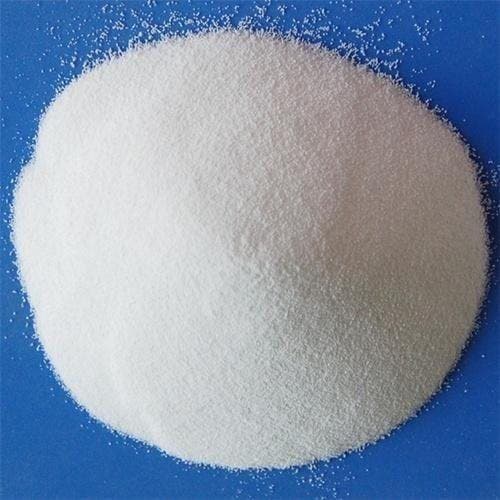
Citric Acid — chemical product photo
Food & Pharmaceutical ChemicalsCAS: 77-92-9Featured Export Product

Citric Acid

Manufacturer & Export Supplier

Citric acid supplier Thailand — food grade (anhydrous & monohydrate) and USP/BP pharma grade from $620/MT FOB Bangkok. FCC, E330, USP certified. COA+SDS. 40+ countries.

Available Grades

Technical grade (industrial, ≥99.5%)Food grade (anhydrous, FCC/E330)Food grade (monohydrate, FCC/E330)USP/BP pharmaceutical grade

Packaging Options

25 kg bag50 kg bag1000 kg jumbo bag

Product Overview

Citric Acid (C₆H₈O₇, CAS 77-92-9) is the world's most widely produced organic acid — a natural tricarboxylic acid found in citrus fruits and used globally as an acidulant, preservative, chelating agent, and pH regulator in food, beverages, pharmaceuticals, cosmetics, and industrial cleaning. Dusit Chemicals is a citric acid supplier in Thailand, exporting food grade anhydrous and monohydrate citric acid (FCC / E330) and pharmaceutical grade (USP/BP) to manufacturers in Southeast Asia, South Asia, the Middle East, and Africa from Bangkok/Laem Chabang port. Citric acid from Thailand offers food and beverage manufacturers in ASEAN a significant cost and logistics advantage: 0% import duty under the ASEAN Free Trade Area (AFTA) with Form D Certificate of Origin, versus MFN duties of 5–15% for non-ASEAN sources. Thailand-origin citric acid (typically sourced from verified suppliers in Southeast Asia with rigorous QC) reaches ASEAN destinations in 3–7 days — far faster than European or American supply chains. Food grade citric acid (anhydrous, C₆H₈O₇) is the preferred form for beverage and food manufacturing: fully water-soluble, ≥99.5% purity, meeting FCC (Food Chemicals Codex) and E330 (EU food additive) specifications. It is used in soft drinks at 0.1–0.3% to provide tartness and pH control; in confectionery for sour candy coating; in jams, jellies, and preserves as a preservative; and in dairy products for pH regulation and curdling control. Food grade monohydrate (C₆H₈O₇·H₂O) is identical in function but contains one molecule of water of crystallization — preferred in some food applications where slower dissolution is acceptable. Pharmaceutical grade citric acid (USP/BP) meets stricter impurity limits — heavy metals ≤5 ppm (USP method), bacterial endotoxins tested, and full pharmacopoeial identity tests — for use in oral pharmaceutical formulations (effervescent tablets, oral liquid excipients), IV solutions as a pH adjuster, and USP-compliant cosmetic formulations. Technical grade citric acid (also traded as industrial grade) is the ≥99.5% material supplied without food or pharmacopoeial certification, at $550–$700/MT FOB Bangkok — typically 10–20% below food grade because the FCC/E330 and USP/BP documentation package is not required. Chemically it is the same tricarboxylic acid; what differs is the certification and lot-testing scope, not the acid content. Technical grade citric acid applications include: metal cleaning and passivation (chelates iron and calcium deposits), descaling of boilers and heat exchangers, detergent formulation (chelating hard water minerals to enhance surfactant performance), textile processing (pH control and mordant), and concrete retarder in construction. Buyers formulating industrial cleaners, descalers or textile auxiliaries should specify technical grade and avoid paying the food-grade certification premium. Technical grade citric acid pairs with <a href="/products/stpp">STPP</a> as a builder in industrial cleaning formulations and with <a href="/products/labsa">LABSA 96%</a> where surfactancy is also required. FOB Bangkok pricing: food grade anhydrous from $620–$780/MT; food grade monohydrate from $600–$760/MT; pharmaceutical grade (USP/BP) from $750–$950/MT. Standard packaging: 25 kg paper bags (PE inner liner), 50 kg bags, 1,000 kg jumbo bags. A standard 20ft container holds 22–24 MT. Full documentation with every shipment: Certificate of Analysis (COA), SDS, FCC/E330 declaration, USP/BP compliance (pharma grade), Halal certificate (CICOT Thailand), Certificate of Origin (Form D for ASEAN). MOQ: 1 MT LCL trial orders or 22–24 MT FCL.

Citric Acid Supplier Thailand — Food Grade & USP/BP for Food, Beverage & Pharma Manufacturers

Dusit Chemicals is a citric acid supplier in Thailand, exporting food grade anhydrous (FCC/E330) and monohydrate citric acid, as well as pharmaceutical grade (USP/BP), to food and beverage manufacturers, pharmaceutical producers, and industrial buyers in 40+ countries from Bangkok/Laem Chabang port. As a Thailand-based citric acid exporter, we offer competitive FOB Bangkok pricing from $620/MT, 0% ASEAN import duty under AFTA, and 3–7 day transit times to ASEAN markets. Citric acid (E330) is the world's most widely used food acidulant, found in virtually every soft drink, carbonated beverage, fruit juice, confectionery, and preserved food product. It is used at 0.1–0.3% in beverages for tartness and pH control, at 1–3% in sour confectionery coatings, and as a chelating agent in detergents and industrial cleaning formulations. Our food grade citric acid meets FCC (Food Chemicals Codex), E330 (EU), and Codex Alimentarius standards — available in anhydrous form (≥99.5% purity, ≤0.5% moisture) and monohydrate form (≥99.5% purity, 7.5–8.8% water of crystallization). For pharmaceutical applications, our USP/BP grade citric acid meets stricter impurity specifications — heavy metals ≤5 ppm (USP method), sulfated ash ≤0.05%, and bacterial endotoxin testing — required for oral liquid medicines, effervescent tablet formulations, and IV solution pH adjustment. Halal certification (CICOT Thailand) is included for all grades, essential for buyers supplying Muslim-majority markets. Complete documentation with every shipment: COA, SDS, FCC/E330 Declaration, Halal Certificate, and Form D Certificate of Origin (ASEAN 0% duty). MOQ: 1 MT LCL or 22–24 MT FCL. Contact our export team for a current price sheet within 4 business hours.

Citric Acid Uses in Food, Pharma, and Industrial Applications

Citric acid is one of the most versatile industrial chemicals with applications across food production, pharmaceuticals, and industry: (1) Food and Beverage: E330 acidulant in soft drinks (0.1–0.3%), pH regulator in jams and preserves, flavoring in confectionery, antioxidant chelator in canned goods. The tartness citric acid provides is described as "clean" and "bright" — preferred over other acids for most beverage applications. (2) Pharmaceuticals: Effervescent tablet base — reacts with sodium bicarbonate to produce CO₂ fizz; oral liquid acidulant and pH buffer; IV solution pH adjustment (USP/BP grade). (3) Cosmetics: pH adjuster in shampoos, body washes, and skin care (target pH 4.5–6.5); chelating agent in personal care to prevent metal ion oxidation. (4) Detergent formulation: Chelates calcium and magnesium in hard water, boosting surfactant performance; used in eco-friendly cleaning products as a phosphate alternative. (5) Industrial descaling: 5–10% citric acid solution dissolves calcium carbonate scale from boilers, heat exchangers, and cooling towers — the preferred organic acid descaler for food-contact equipment. (6) Concrete retarder: Used at 0.1–0.5% to extend workability time of concrete in hot climates or large-volume pours. Dusit Chemicals supplies the right citric acid grade for each application — food grade for E330-regulated uses, USP/BP for pharmaceutical compliance, and industrial grade for cost-sensitive applications.

Citric Acid Price 2026 — FOB Thailand Market Analysis and Buying Guide

Citric acid market prices in 2026 from Thailand: Food grade anhydrous (FCC/E330): $620–$780/MT FOB Bangkok; Food grade monohydrate: $600–$760/MT FOB Bangkok; Pharmaceutical grade (USP/BP): $750–$950/MT FOB Bangkok. Citric acid prices track global supply from Chinese producers (China accounts for approximately 70% of global citric acid output). Key price factors: (1) Corn and molasses feedstock costs — citric acid is produced by Aspergillus niger fermentation of sugars; feedstock price is the primary cost driver; (2) Chinese production capacity and export volumes — oversupply from Chinese producers (Cofco Biochemical, RZBC, TTCA) depresses global prices; capacity curtailments due to environmental regulations periodically tighten supply; (3) Ocean freight — Bangkok to ASEAN markets 3–7 days (low freight impact); to South Asia 8–14 days; to Middle East 10–15 days; to West Africa 18–25 days. For buyers in Indonesia, Vietnam, Philippines, Malaysia: 0% ASEAN import duty on Thailand-origin citric acid makes Thai-sourced material the preferred choice. Contact Dusit Chemicals for current citric acid pricing by grade, volume, and destination port.

Typical Applications

Technical grade — industrial descaling, metal passivation, textile processing
Soft drink and juice acidulant (0.1–0.3%, E330)
Pharmaceutical effervescent tablet and oral liquid excipient
Cosmetic and personal care pH adjuster and chelating agent
Industrial descaling of boilers, heat exchangers, and metal surfaces
Confectionery — sour candy, hard candy, and gummy coating
Detergent formulation — chelates hard water minerals
Preservation in jams, jellies, and fruit products
Concrete retarder in construction applications

Technical Specifications

ParameterSpecification
AppearanceWhite crystalline powder or granules, free-flowing
Purity≥99.5% (anhydrous and monohydrate)
Heavy Metals (as Pb)≤5 ppm
Arsenic (As)≤1 ppm
Water ContentAnhydrous ≤0.5%; Monohydrate 7.5–8.8%
Sulfated Ash≤0.05%
Oxalate≤100 ppm
pH (1% solution)2.0–2.5
CAS Number77-92-9 (anhydrous), 5949-29-1 (monohydrate)
HS Code2918.14
StandardFCC, BP, USP, E330 (food grade); USP/BP (pharma grade)

* Specifications are typical values. Final specification confirmed by COA per batch. Contact us for custom grades.

Available Packaging

25 kg bag
50 kg bag
1000 kg jumbo bag

Documentation Available

Certificate of Analysis (COA)
Batch-specific QA report confirming product specifications.
Safety Data Sheet (MSDS/SDS)
Hazard information and safe handling guidelines per GHS standards.
Technical Data Sheet (TDS)
Detailed product properties, grades, and application guidance.
Product Brochure
Commercial overview for procurement and technical reference.

Request documentation via our quote form or directly by email.

Frequently Asked Questions

What is Citric Acid used for?›
Citric Acid (C₆H₈O₇, CAS 77-92-9) is the world's most widely produced organic acid — a natural tricarboxylic acid found in citrus fruits and used globally as an acidulant, preservative, chelating agent, and pH regulator in food, beverages, pharmaceuticals, cosmetics, and industrial cleaning. Dusit Chemicals is a citric acid supplier in Thailand, exporting food grade anhydrous and monohydrate citric acid (FCC / E330) and pharmaceutical grade (USP/BP) to manufacturers in Southeast Asia, South Asia, the Middle East, and Africa from Bangkok/Laem Chabang port. Primary applications include: Technical grade — industrial descaling, metal passivation, textile processing, Soft drink and juice acidulant (0.1–0.3%, E330), Pharmaceutical effervescent tablet and oral liquid excipient, Cosmetic and personal care pH adjuster and chelating agent.
What grades of Citric Acid are available?›
We supply Citric Acid in the following grades: Technical grade (industrial, ≥99.5%), Food grade (anhydrous, FCC/E330), Food grade (monohydrate, FCC/E330), USP/BP pharmaceutical grade. Contact our team to confirm the grade required for your application.
What is the minimum order quantity (MOQ) for Citric Acid?›
Minimum order quantities for Citric Acid are flexible and depend on destination, packaging format, and grade. We typically work from 1 MT upward for export orders. Contact our sales team for a formal quote.
What documentation is included with Citric Acid?›
Every shipment of Citric Acid includes a Certificate of Analysis (COA), Safety Data Sheet (MSDS/SDS), and Technical Data Sheet (TDS). Certificate of Origin, Packing List, and pre-shipment inspection certificates are available on request.
What packaging is available for Citric Acid?›
Citric Acid is available in the following packaging formats: 25 kg bag, 50 kg bag, 1000 kg jumbo bag. Custom labeling and palletization for export can be arranged.

Why Buy From Us

Stable QualityConsistent specification across batches with COA verification.
Competitive Bulk RatesFactory-direct pricing with volume discount tiers.
Flexible MOQMinimum order quantities negotiable based on product and destination.
Export SupportDocumentation, labeling, and logistics coordination included.
Reliable Lead TimesFirm production schedule and on-time shipment commitment.
Responsive ServiceDedicated commercial contact for your account.

Request a Quote

Get pricing for Citric Acid — specify quantity, grade, and destination.

Response within 24 hours · All inquiries are confidential

Citric Acid Export Pricing Guide

FOB pricing — contact us for exact current quotes.

GradePrice RangeNotes
Food Grade Anhydrous (FCC/E330)$620–$780/MT25 kg bags, 22–24 MT per 20ft container
Food Grade Monohydrate (FCC/E330)$600–$760/MT25 kg bags, 22–24 MT per 20ft container
Pharmaceutical Grade (USP/BP)$750–$950/MT25 kg bags, strict heavy metal & endotoxin compliance
Technical Grade (industrial/descaling)$550–$700/MT25 kg bags & 1,000 kg jumbo bags, no food/pharma certification required

Frequently Asked Questions — Citric Acid

What is technical grade citric acid, and how does it differ from food grade?
Technical grade citric acid (also called industrial grade) is ≥99.5% citric acid supplied without FCC/E330 food certification or USP/BP pharmacopoeial documentation. The acid itself is chemically identical to food grade — the difference is the certification and lot-testing package, not purity. Technical grade citric acid is specified for boiler and heat exchanger descaling (5–10% solution at 60–70°C), stainless steel passivation per ASTM A967, detergent and industrial cleaner formulation as a hard-water chelant, textile pH control and mordanting, and as a concrete set retarder. Because the food/pharma documentation is omitted, technical grade citric acid prices at $550–$700/MT FOB Bangkok versus $620–$780/MT for food grade anhydrous — a saving of roughly 10–20%. Dusit Chemicals supplies technical grade citric acid in 25 kg bags and 1,000 kg jumbo bags, MOQ 1 MT for an LCL trial or 22–24 MT FCL, with a batch Certificate of Analysis and GHS SDS. Do not specify technical grade for any food, beverage, supplement or pharmaceutical application — those require FCC/E330 or USP/BP grade.
What is the price of citric acid from Thailand in 2026?
Citric acid FOB Bangkok pricing in 2026: Technical/industrial grade from $550–$700/MT; Food grade anhydrous (FCC/E330) from $620–$780/MT in 25 kg bags; Food grade monohydrate from $600–$760/MT; Pharmaceutical grade (USP/BP) from $750–$950/MT. Prices fluctuate with global supply from major Chinese producers (China accounts for ~70% of global citric acid production). ASEAN buyers benefit from 0% import duty on Thailand-origin citric acid under AFTA. Contact us for a current price sheet by grade and volume.
What is the difference between anhydrous and monohydrate citric acid?
Citric acid anhydrous (C₆H₈O₇) contains no water of crystallization — it is ≥99.5% pure citric acid. Monohydrate (C₆H₈O₇·H₂O) contains one molecule of bound water (approximately 8.5% water content). Both forms have identical acidity and functional properties in food and pharmaceutical applications. Anhydrous is preferred where moisture content must be minimized — in dry mixes, effervescent tablets, and hygroscopic formulations. Monohydrate is often used in beverage concentrates and wet processes where the additional water content is acceptable. Anhydrous is slightly more expensive per MT but delivers more acid per kg on a dry basis.
What are the main uses of citric acid in food and beverage manufacturing?
Citric acid (E330) is the most widely used food acidulant globally, with the following primary applications: (1) Soft drinks and juice: 0.1–0.3% w/v for tartness, pH control (target pH 3.0–3.5 for most carbonated beverages), and enhancement of fruit flavors. Works synergistically with ascorbic acid (Vitamin C) as an antioxidant chelator. (2) Confectionery: 1–3% in sour candy for intense sour taste; used as a coating on sour worm and sour patch candy. (3) Jams and jellies: 0.3–0.5% for pH adjustment to pH 3.2–3.5, which activates pectin gelling and provides preservation against microbial growth. (4) Dairy: Used in mozzarella cheesemaking to lower milk pH before rennet addition; pH control in processed cheese; prevents browning in fresh-cut fruits. (5) Canned fruits and vegetables: pH depression to below 4.6 (the safe threshold for non-thermophilic pathogen control in low-acid canned foods). (6) Margarines and fats: Chelates iron and copper to prevent rancidity. (7) Effervescent tablets: Reacts with sodium bicarbonate to produce CO₂ fizz in nutritional supplements and pharmaceutical products. (8) Wine: Acidification of low-acidity musts in winemaking.
Is citric acid from Thailand halal certified?
Yes. Dusit Chemicals supplies citric acid with Halal certification from CICOT Thailand (Central Islamic Committee of Thailand). Our food grade citric acid is produced from vegetable fermentation feedstocks (molasses, corn starch hydrolysate) — not animal-derived — making it acceptable under Islamic dietary law. CICOT Halal certificate is provided with every shipment. For buyers supplying Muslim-majority markets (Indonesia, Malaysia, Bangladesh, Middle East), this documentation is essential for product certification compliance.
How is citric acid used in industrial cleaning and descaling?
Citric acid is the preferred organic acid for industrial descaling because it is highly effective at chelating calcium, iron, magnesium, and other metal deposits without the corrosive hazard of strong mineral acids (HCl, HNO₃). Industrial applications: (1) Boiler descaling: 5–10% citric acid solution circulated at 60–70°C dissolves calcium carbonate scale (CaCO₃) and iron oxides (rust) from boiler tubes and heat exchanger surfaces. (2) Cooling tower treatment: Citric acid in cooling water prevents calcium carbonate scale buildup on heat transfer surfaces. (3) Metal passivation: Citric acid passivation of stainless steel surfaces (per ASTM A967) removes free iron and creates a clean chromium-rich passive layer, improving corrosion resistance. (4) Food equipment sanitation: NSF-approved citric acid-based cleaners remove mineral deposits from food processing equipment (dairy pasteurizers, juice fillers, beverage conveyors) without leaving corrosive residue. (5) Concrete retarder: Citric acid is used as a set retarder in concrete — delays cement hydration for workability in hot climates or large-volume pours. Industrial grade citric acid is typically used for these applications at $550–$700/MT — contact us for industrial grade pricing.
What is the HS code and import duty for citric acid from Thailand?
Citric acid is classified under HS code 2918.14 (citric acid) in most countries. Import duty rates: ASEAN buyers (Indonesia, Vietnam, Philippines, Malaysia, Myanmar, Singapore): 0% under AFTA with Form D Certificate of Origin from Thailand — this is a major landed cost advantage versus non-ASEAN sources. India: BCD 30% (food grade citric acid has significant tariff protection in India — verify current rate with customs broker; ASEAN-India FTA rate may differ). Bangladesh: 5–10% import duty; verify current rate. Nigeria: 5–10% under ECOWAS Common External Tariff. UAE: 5% GCC tariff. EU: MFN duty 6.5% — no EU-Thailand FTA currently in force. Always verify current duty rates with your customs broker, as HS code classification and FTA eligibility can affect applicable rates.
What is the difference between citric acid anhydrous and monohydrate?
Citric acid anhydrous (no water of crystallization, C₆H₈O₇, MW 192) is the most commonly used form in beverages, confectionery, and pharmaceuticals. Monohydrate (one water molecule, C₆H₈O₇·H₂O, MW 210) is preferred in certain effervescent tablets and cleaning applications where slower dissolution is desired. Anhydrous is slightly more potent per gram. Dusit supplies both: anhydrous from $620/MT, monohydrate from $600/MT FOB Bangkok.
Is food-grade citric acid safe for beverages and food production?
Yes. Food-grade citric acid from Dusit Chemicals meets FCC (Food Chemicals Codex) E330 specifications, suitable for soft drinks, fruit juices, jams, confectionery, dairy products, and processed foods as a pH regulator and flavor enhancer. We provide full CoA, MSDS, Halal certificate, and FDA-equivalent documentation for every shipment.
What markets import citric acid from Thailand?
Thailand exports food-grade citric acid primarily to ASEAN (Vietnam, Indonesia, Philippines, Myanmar), Middle East (Saudi Arabia, UAE, Egypt), and Africa (Nigeria, Ghana, Ethiopia). Pharmaceutical-grade citric acid serves Southeast Asian pharma manufacturers. Dusit Chemicals holds stock in Bangkok for prompt 3–7 day ASEAN delivery.
WhatsAppRequest a Quote